



« Home • Africa & Middle East • U.A.E. • Discover the UAE
Discover the United Arab Emirates
The United Arab Emirates is a contradictory place where traditional Bedouin lifestyle meets Western consumerism and big-town bling. But rather than clashing, these disparate influences have produced a unique 21st-century nation that combines the cultures of conservative Islam and the liberal West in one package.
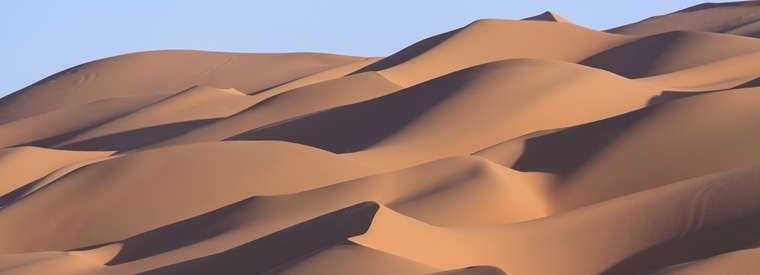
Popular Destinations: Abu Dhabi • DUBAI • … and more |
• Dubai
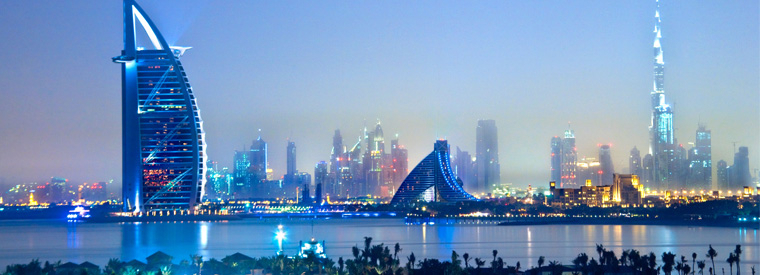
In 1966, oil was discovered in Dubai. The oil economy led to a massive influx of foreign workers, quickly expanding the city by 300% and bringing in international oil interests. The modern emirate of Dubai was created after the UK left the area in 1971 …
• Abu Dhabi
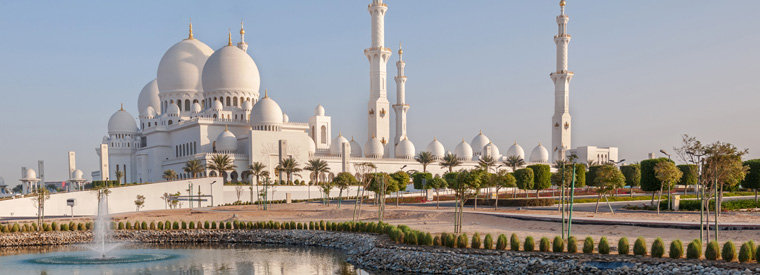
Abu Dhabi is a modern city with broad boulevards, tall office and apartment buildings, and busy shops. Principal thoroughfares are the Corniche, Airport Road, Sheikh Zayed Street, Hamdan Street and Khalifa Street. Abu Dhabi is known in the region for its greenery …
A | B | C | D | E | F | G | H | I | J | K | L | M | N | O | P | Q | R | S | T | U | V | W | X | Y | Z
» Al Ain
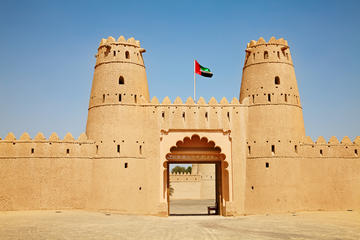
Located about a two-hour drive from both Dubai and Abu Dhabi, UNESCO-listed Al Ain ranks among the world's oldest continually inhabited settlements and one of the most worthwhile side trips in the United Arab Emirates. Nicknamed the 'Garden City' of the UAE, Al Ain is most famous for its date palm oasis, made possible by a 3,000-year-old irrigation system that continues to channel water through the plantations. Outside of the oasis, Al Ain is home to a couple of excellent museums, archeological sites and old forts …
» Al Bithnah Fort
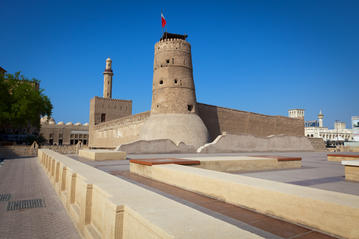
Al Bithnah Fort, located in the village of Al Bithnah 8 miles (13 kilometers) west of Fujairah City, was built in 1735 in response to Wahhabi invasions and to protect the strategically important trade route through Wadi Ham in the eastern region of the United Arab Emirates. The original fort was destroyed and rebuilt at least twice during its long history and has recently been renovated to its former glory. Bigger than many of the other forts in Fujairah Emirate, the views of the surrounding mountains from the top of the circular Al Bithnah Fort tower make it worth a visit …
» Al Jahili Fort
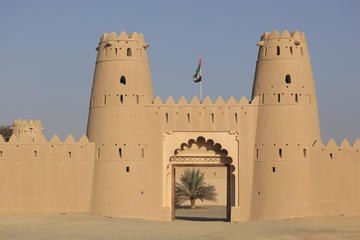
Al Jahili Fort is one of the most historic buildings in the UAE and one of the region's largest forts. Built at the end of the 19th century, it served as a summer residence for Sheikh Zayed I, the ruler of Abu Dhabi at the time. The fort has been well preserved and carefully restored and is now a popular cultural attraction for many visitors. It's set in beautifully landscaped gardens and is home to exhibitions dedicated to both Sheikh Zayed and Sir Wilfred Thesiger, the British explorer, writer, and photographer who crossed the 'Empty Quarter' desert twice in the 1940s …
» Badiyah Mosque
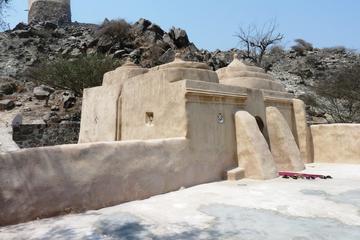
Located in Fujairah Emirate, Badiyah Mosque is the oldest existing mosque in the United Arab Emirates. Archaeologists are unsure when exactly the place of worship was built, but expert estimates date buildings anywhere from 1446 BC to 640 AD. The small, squarish mosque was constructed from local materials - stone and ruddy mud - and despite its age, it continues to function as a working mosque with regular prayer services. While visiting the Badiyah Mosque, leave some time for a quick trip up to the Al Bithnah Fort …
» Fujairah Fort
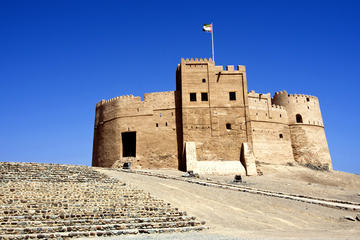
Fujairah Fort, the oldest fort in the United Arab Emirates dating back to 1670, was built from mud, wood, gravel and gypsum on a rocky outcrop where it protected the old village and valuable date palm oasis from invaders. The historic structure was damaged by an attack by the British in the early 20th century, but it was recently resorted to its former state. Surrounding the Fujairah Fort, the Fujairah Department of Archaeology and Heritage has set up a Heritage Village, where visitors can stroll through resorted historic houses …
» Hili Archeological Park
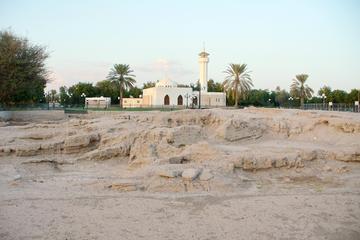
Since excavations began in the village of Al Hili, located 7 miles (12 kilometers) north of Al Ain, began during the 1960s, archaeological teams have uncovered ruins of settlements and tombs dating back to the Bronze Age. By 1995 the site was fully excavated, restored and opened as the Hili Archeological Park. Today, visitors from around the United Arab Emirates and the world come to see the remains of the country's oldest settlement, where inhabitants once worked in agriculture and the copper trade …
» Khor Fakkan
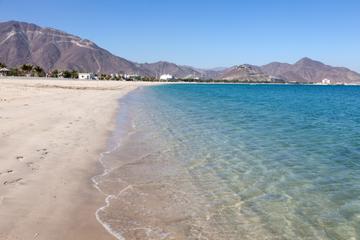
Perched on the Gulf of Oman on the eastern shores of the United Arab Emirates, Khor Fakkan is most famously known as a major container shipping port; there are almost always ships lining up to load, unload or refuel. But Khor Fakkan offers appeal beyond the port. The palm tree-lined Corniche extends from the port to the Oceanic Hotel, with gardens, parks, playgrounds and kiosks scattered along the beach. A fish and produce souk gives visitors a glimpse into local life, while the Badiyah Mosque, located just outside of town, has a history dating back to the fifteenth century …
» Sharjah Aquarium
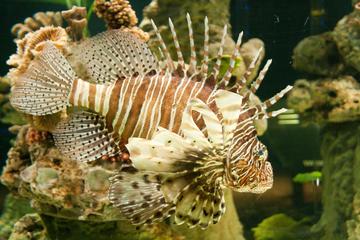
The Sharjah Aquarium is a vast aquarium sprawled across two levels. It's home to a huge variety of underwater species native to the waters around the UAE. Here you can discover everything from the largest marine life to the smallest of ocean creatures, all without getting your feet wet. With over 250 species and a number of lagoon, coral reef, and mangrove habitats recreated, there's certainly plenty to see here. From tiny tropical fish, jellyfish, and seahorses, to the moray eels, eagle rays, and reef sharks, it's wise to dedicate a good amount of time to wander around and take it all in …
» Sheikh Zayed Palace Museum
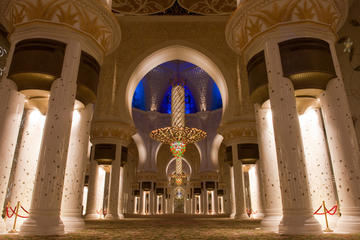
The Sheikh Zayed Palace Museum is based in the residence of the founder and first president of the UAE, Sheikh Zayed Bin Sultan Al Nahyan. The palace complex was built in 1910 on the western side of the mighty Al Ain Oasis and was home to Sheikh Zayed and his family from 1937 until 1966. It later became a museum in 1998. The building is set around attractive courtyards and gardens where guests can wander around while learning about Sheikh Zayed and his life. Visitors have access to the meeting rooms, or majlis, where the president met with dignitaries …
» Wadi Adventure
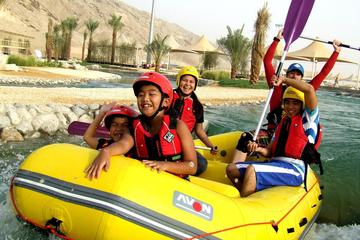
Adrenaline awaits at Wadi Adventure - the Middle East's first manmade surfing, kayaking and whitewater rafting facility. Located at the base of Jebel Hafeet, which has long welcomed tourists to its natural hot springs and cave system, the park includes systems that create conditions ideal for surfing and kayaking. The park is beside the 'garden city' of Al Ain, which is quickly becoming the adventure capital of the Middle East. The manmade wave facility is the world's largest, and the 1.7 kilometer kayaking channel is the longest in the world …

« Home • Africa & Middle East • U.A.E. • Discover the UAE