



« CARIBBEAN • Discover the Caribbean • Curacao
Discover Magical Curacao
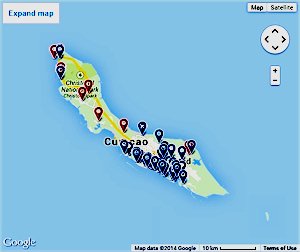
Curacao is an island in the southern part of the Caribbean Sea off the west coast of Venezuela. The island is the largest and most populous of the three so-called ABC islands (for Aruba, Bonaire, and Curacao) of the Lesser Antilles (specifically the Leeward Antilles) and belongs to the Netherlands Antilles, a self-governing part of the Kingdom of the Netherlands. Curacao's capital is Willemstad.
A | B | C | D | E | F | G | H | I | J | K | L | M | N | O | P | Q | R | S | T | U | V | W | X | Y | Z
» Cas Abao Beach
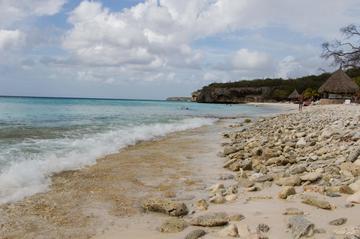
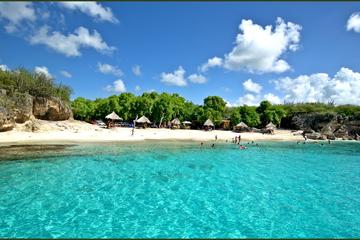
Hit the beach at one of Curacao's most idyllic sandy shores. Cas Abao Beach is a protected escape on the island's west side, where you can enjoy the crystal-blue water and gleaming white sand among a convenient collection of amenities. The private beach has plenty of parking, and once you've paid the entry fee, you can rent whatever you need on-site, from beach chairs and umbrellas to paddle boats and snorkeling gear. At lunch time, you can get burgers, sandwiches and frozen drinks at the Beach Bar & Restaurant …
» Christoffel National Park
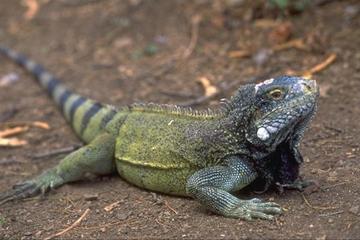
Curacao's largest nature reserve is Christoffel National Park, the ideal place on the island to see the rare Curacao white-tailed deer, native barn owl and wild orchids. The best way to explore is by following one of the park's 8 hiking trails, graded from easy to challenging. The easiest trail is the 20-minute walk through the white-tailed deer sanctuary. If you're thinking of going on the relatively arduous climb to the top of Mount Christoffel, head off in the early morning so you avoid the heat …
» Curacao (Willemstad) Cruise Port
Located off the coast of Venezuela, this tiny island nestled in crystal blue waters was once the center of commerce for the region. Today, the influence of French, Dutch and Portuguese traders can be felt in the food, architecture and culture of this unique island. Tour the historic forts or spend a day snorkeling in the nearby coral reefs, which draw divers from across the globe to its calm, clear waters. Most cruise ships dock right in the cosmopolitan capital city of Willemstad …
» Curacao Liqueur
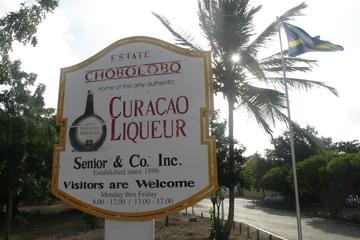
The island of Curacao may be best known for the alcohol that bears its name. Blue Curacao is a signature - and colorful - liqueur that is steeped in the island's history, and you can visit the home of the original Blue Curacao at the Curacao Liqueur Distillery. The Triple Sec-style liqueur is made from the peels of the Laraha fruit. Though Laraha evolved from Valencia oranges brought to the island in 1499 by Spanish settlers, this bitter orange is now unique to Curacao because it adapted to the island's desert like climate, making it inedible when fresh …
» Curacao Ostrich Farm
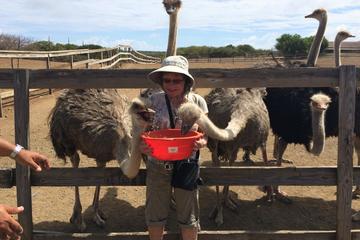
Get a taste of Africa in the Caribbean at the Curacao Ostrich Farm. Originally opened in 1995 as a working farm to supply ostrich products to South America, the farm quickly became a popular spot for visitors, and now it's home to about 400 ostriches - about half of which are newborn chicks. When you visit you can take a safari tour in a truck to see ostriches of all ages, from eggs to full grown adults. The farm is also home to emus, potbellied pigs and Nile crocodiles. And if you're looking for a little more adventure, you can join a quad tour to go four-wheeling …
» Curacao Sea Aquarium
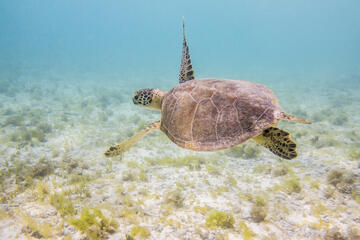
A fascinating dive into the beautiful underwater world of the Caribbean, the Curacao Sea Aquarium in Willemstad Curacao has much to discover. Set in an old naval vessel, just stepping into the Curacao Sea Aquarium lets you know that you're embarking on a unique marine adventure. Once aboard, visitors can take in the sight of sharks, turtles, stingrays, rockfish, flamingoes and other vibrant sea creatures that constitute the local waters and surrounding shores …
» Fort Beekenburg
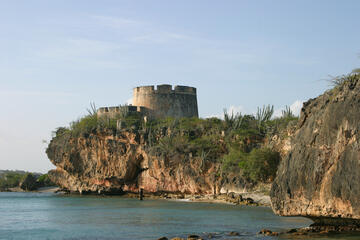
Unlike Curacao's more popular colonial-era fortresses, like Rif Fort and Waterfort, Fort Beekenburg is largely abandoned. For many years it was inaccessible, sitting on private property owned by an oil company. But today it's accessible, and free, to visitors any time. The fort was built in the early 1700s on the south end of the island, where it successfully repelled numerous invaders trying to land in Caracas Bay. Visitors can explore on their own throughout the fort, including the top of the tower, which still holds a handful of cannons and offers great views …
» Hato Caves
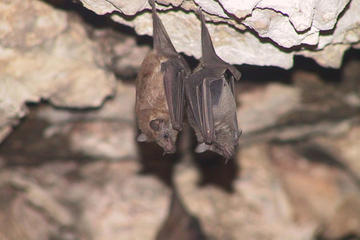
Cave paintings, stalactites and stalagmites are a feature of Curacao's limestone Hano Caves. The indigenous Arawaks used the caves for shelter, and runaway slaves hid here in the colonial days. These days Curacao's long-nose fruit bats call the cave home, and dramatic lighting illuminates the cave's waterfalls, pools and Madonna statue. Guided tours departing on the hour point out the 1,500-year-old cave paintings and share some of the legends and history …
» Jan Kok
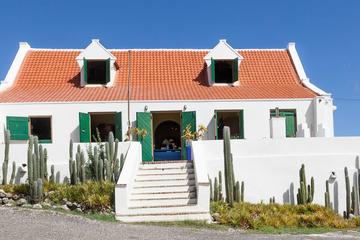
If you're taking a drive to explore Curacao, plan a stop in Jan Kok, an area along the west coast, about midway between Willemstad and Westpunt. Here you can birdwatch along old salt pans, large shallow ponds used to evaporate salt from seawater, that have become a popular gathering point for pink flamingos as the travel between nearby Bonaire and South America. The birds wade in the warm shallow water grazing on small creatures that live in the water. Also nearby is Landhuis Jan Kok, a former salt plantation from the late 18th century …
» Kenepa Beach
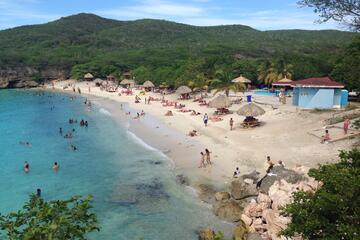
Kenepa Beach is one of those places that's worth the drive to get there. Located 50 minutes from Willamsted on the northwestern corner of the island, the white sand beach and turquoise water create a Caribbean tableau that ends up on Curacao postcards. Broken up into two beaches that are separated by rocky cliffs, Kenepa Beach is a popular spot for cliff diving, sunbathing, and snorkeling. While it's possible to snorkel directly offshore above the sandy bottom, strong swimmers and advanced snorkelers can venture out to the reef …
» Otrobanda
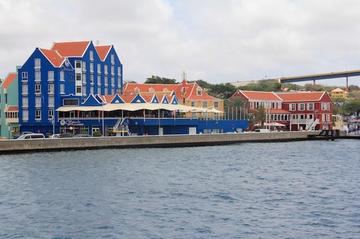
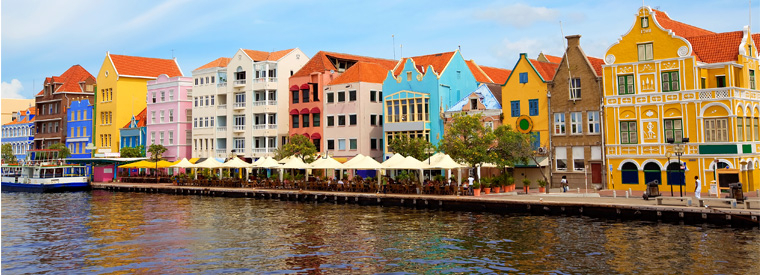
Across the mouth of St. Anna Bay from Willemstad's Punda area is the other of the city's historic downtown, Otrobanda, which literally means 'the other side.' While Punda was settled in 1635, Otrabanda was built about a century later. If you walk from Punda across the Queen Emma Bridge, Otrabanda offers a great view of the iconic and colorful Punda waterfront. One of Otrobanda's most popular attractions is Riff Fort, which was built in 1828 to help defend the city. Today the fort is a shopping mall where you can buy souvenirs or have a meal at one of the fine dining restaurants …
» Playa Kalki
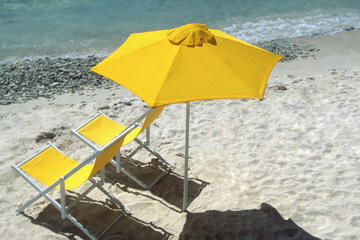
Playa Kalki is a small and sandy cove set against a backdrop of limestone cliffs in the peaceful area of Westpunt on the Caribbean island of Curacao. It's a secluded little spot that's popular among divers and snorkelers due to its rocky shallows and abundance of coral and other marine life. Those keen to explore the underwater world surrounding Playa Kalki can hire snorkel and dive equipment from the dive shop located nearby. A large reef nicknamed Alice in Wonderland can be accessed from the beach here, and for those not indulging there's also a small restaurant serving snacks and drinks …
» Playa Lagun
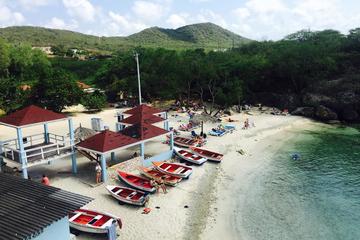
If you're looking for an off-the-beaten track beach on Curacao, but don't want sacrifice on amenities, try Playa Lagun. This protected beach within a deep cove flanked on either side by sheer cliffs is near the northern end of the island, far enough from Willemstad that you can avoid the cruise crowds, and with a small beachfront restaurant that does double duty as a dive shop. Playa Lagun is also well known as one of the best spots for diving and snorkeling from the shore, and you can get scuba tanks or snorkel gear from the dive shop to explore the nearby reefs …
» Punda
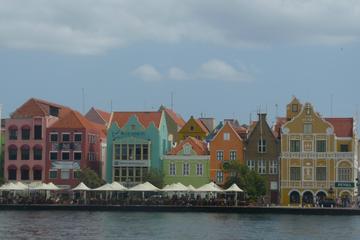
The eastern part of Willemstad's downtown historic district is called Punda, which comes from the Dutch word for 'point' because this part of the city sits at the end of a promontory at the mouth of St. Anna Bay. First settled in 1634, the area is a picturesque port area packed with pastel-colored colonial architectural. One of the main attractions here is Fort Amsterdam, built in 1635 as a garrison to protect the city, which is used today as the governor's palace. Another historic site is the Mikve Israel-Emanuel synagogue, which was built in 1732, making it the oldest synagogue in the western hemisphere …
» Queen Emma Bridge
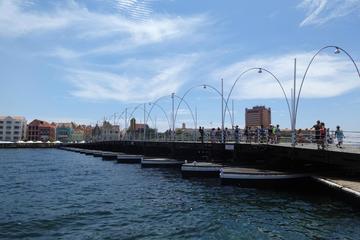
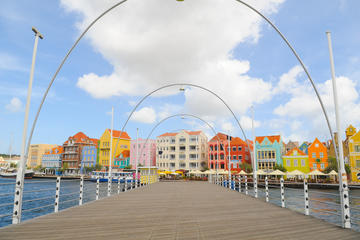
The Queen Emma Bridge is a floating pontoon bridge that connects the waterfronts of Willemstad's historic neighborhoods Punda and Otrobanda. Nicknamed the 'Swinging Old Lady,' the Queen Emma Bridge is hinged with two diesel-driven propellers so that it can swing parallel to the shore to allow boat traffic in and out of St. Anna Bay. Built in 1888, the pedestrian-only bridge is a unique and popular attraction on Curacao, with upwards of 15,000 people walking across it every day. On both the Punda and Otrobanda sides of the bridge, you can find cafés and restaurants lining the waterfront …
» Queen Juliana Bridge
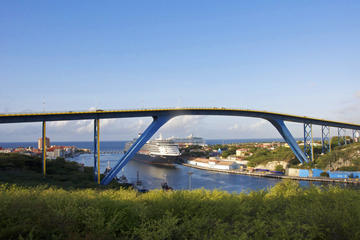
The Queen Juliana Bridge crosses St. Anna Bay in the Curacao capital of Willemstad. The original structure collapsed in 1967, killing four people, and has since been replaced with the current bridge, which opened on Queen's Day in 1974. The bridge is a minimalist structure that spans 500 meters in length and stands at over 55 meters at its highest point. It's the tallest bridge in the Caribbean. As you cross this four-lane structure, unparalleled views from its apex stretch across Punda, Otrobanda, and the Schottegat, making it one of the most scenic viewpoints on the island …
» Savonet Museum
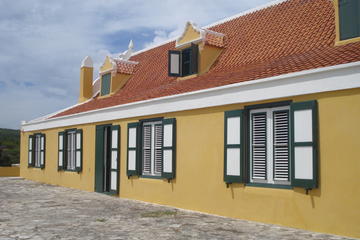
Take a trip through Curacao's history at the Savonet Museum, located within one of the island's oldest plantations at the heart of Christoffel Park. The museum's exhibits include depictions of local life starting from the original Arawak inhabitants who came to the island about 4,000 years ago, through the Dutch colonial era and modern day. Choose the audio tour to get in-depth details about life on the plantation, or ask for a guided tour from one of the museum's docents. As you explore, you'll see historical artifacts, documents, and pictures …
» Scharloo
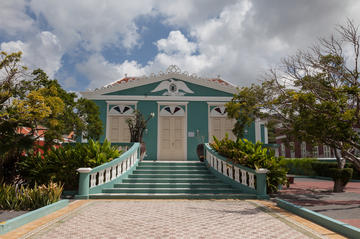
Just inland from Willemstad's city center, Punda, is a historical section of the city called Scharloo, which is included on the UNESCO World Heritage list, along with the Punda, Otrabanda and Pietermaai neighborhoods. Scharloo served and something of a colonial-era suburb, and today you can still stroll the streets to marvel at the abundance of beautifully restored mansions that sit within easy walking distance of what was the central business district of colonial Willemstad. Some of these restored homes have been converted to hotels and guesthouses …
» Shete Boka National Park
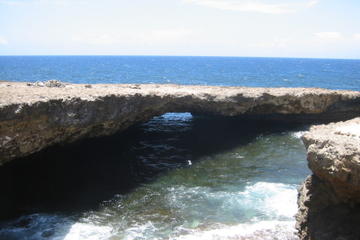
Shete Boke National park offers rocky coastal views and wild wind-lashed landscapes bordering Christoffel National Park. There are beaches tucked away on the rocky limestone coast, where three species of sea turtles lay their eggs. At Boka Tabla, wild waves wash into an undersea cavern. Find a sheltered nook at the entrance to the cavern for a bird's-eye view of the crashing sea. Scenic one-hour hiking trails wind across the cliff tops for spectacular coastal views …
» Tugboat Wreck
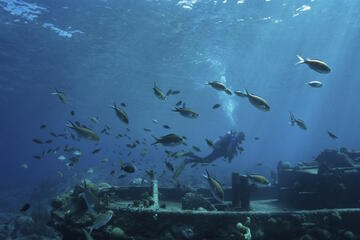
Tugboat Wreck refers to the site of a tugboat that sank just off Curacao years ago and has since become one of the island's most popular dive sites. The wreck can be found just five meters beneath the surface of the water and can be easily swam out to from the shore near Caracas Bay. The water is clear, the currents mild, and the wreck itself is in good condition and still well intact. It sits upright with coral and marine sponges growing from it and many species of fish swimming all around it. Even those who don't wish to dive or snorkel will be able to see the wreckage from the surface …
« CARIBBEAN • Discover the Caribbean • Curacao