



« NEW ZEALAND • Discover New Zealand • North Island • Wellington
Discover Magical Wellington
Wellington has a warm-temperate climate, with warm, humid summers and mild, damp winters, and is the sunniest and warmest of New Zealand's main centres. Wellington is home to many cultures. The majority of inhabitants claim European - predominantly British - descent, but substantial Maori, Pacific Islander and Asian communities exist as well. Wellington has the largest Polynesian population of any city in the world.
A | B | C | D | E | F | G | H | I | J | K | L | M | N | O | P | Q | R | S | T | U | V | W | X | Y | Z
» Carter Observatory
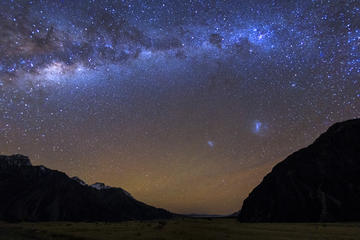
Everyone from classic rock stars to Polynesian explorers have waxed romantic about the Southern Cross constellation, and at the Carter Observatory above downtown Wellington, visitors can gaze right up toward the heavens to witness the iconic star pattern. Peacefully embedded within the Wellington Botanical Gardens, the Carter Observatory is the capital's best site for discovering the southern sky's beauty. Inside, learn about solar flares and cosmic hurricanes, and feel free to ask the deepest questions of our galaxy. Is anyone else out there? …
» Mount Victoria Lookout
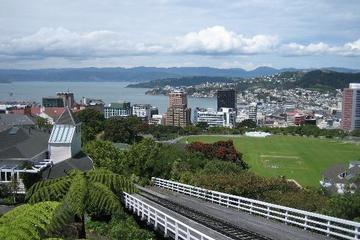
One of the best places to get your bearings in the city of Wellington is from the Mount Victoria Lookout. The panoramic views stretch from the harbor islands all the way to planes taking off and landing at the airport south-east of the city center. Mount Victoria is 196 meters (642 feet) high. The lookout is topped by a triangular memorial to Antarctic explorer Admiral Byrd …
» Museum of New Zealand - Te Papa Tongarewa
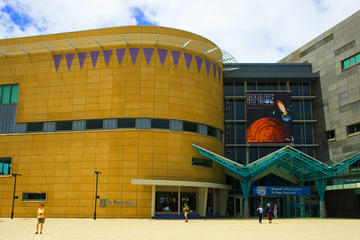
New Zealand's premier museum is Te Papa Tongarewa. Known as Te Papa ('our place'), the museum takes an inspiring and interactive excursion through New Zealand's history, art and culture. The museum's prized collections focus on the areas of art, history, the Pacific, Maori culture and the natural environment. There's a freshness and vibrancy to this museum's curatorship, with a huge collection of Maori artifacts, hands-on activity centers for children, re-creations of Maori meeting houses and colonial settlements …
» Museum of Wellington
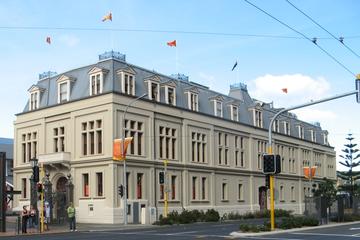
The Museum of Wellington City and Sea explores the maritime connection that ties Wellington so closely to the sea. Mixing historical displays with cutting-edge technology, the museum brings history alive with maritime artifacts, interactive exhibits, holographs, audio-visual displays and documentaries screened on a giant cinema screen. The museum is spread over 3 floors of the restored 1892 Bond Store warehouse. The building is a feature in its own right, with historic timber beams and virtual vermin to set the scene. Another highlight is the sailing ship conservation project known as Plimmer's Ark …
» New Zealand's Parliament (Beehive)
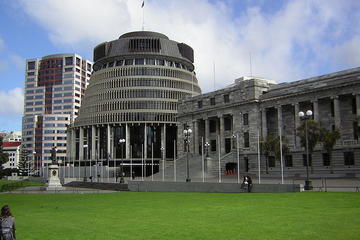
New Zealand's architectural symbol is the beehive-shaped Parliament House in Wellington. Hosting the executive wing of parliament, 'the Beehive' was built between 1969 and 1981, and features murals and artworks by noted New Zealand artists. The building has 10 floors, filled with cabinet rooms, prime ministerial offices, a banqueting hall, function rooms and several restaurants. Take a free guided 1-hour tour or drop into the visitor center in the ground-floor foyer. You can sit in the public galleries of the debating chamber when the House is sitting …
» Old St Paul's Cathedral
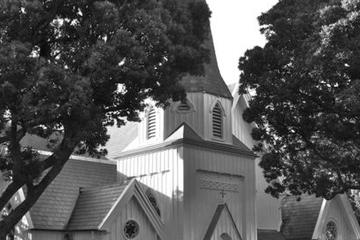
Wellington's first Anglican cathedral, the classic Gothic Revival Old St. Paul Cathedral's is a picture-book wooden church built in 1845. The building was designed by the parish vicar, the Reverend Frederick Thatcher. The simple white-painted exterior leads to a dramatic interior featuring bold use of native timbers. The piers of wood form trusses that curve upwards to meet in the roof's center, a bit like the hull of an upturned boat. Another highlight of this popular building is the lovely stained glass, particularly the windows surrounding the apse and south alcove …
» Wairarapa
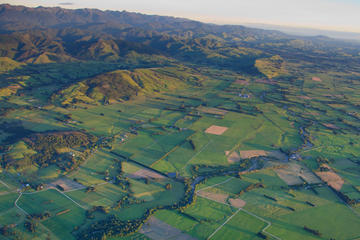
The rural lifestyle and country charm of New Zealand's heartland are revealed on a day trip to the Wairarapa region from Wellington. It's an area of sheep-raising, vineyards, farms and outdoor activities like horseback riding and hiking through forest parks. A major feature of this lovely fertile region is Lake Wairarapa, the North Island's third largest lake. It's a popular spot for fishing and birdwatching. The main town, Martinborough, is a firm fixture on the foodie gourmet trail. Wellington locals flock here at weekends to drop into the cellar doors of surrounding vineyards …
» Wellington Botanic Garden
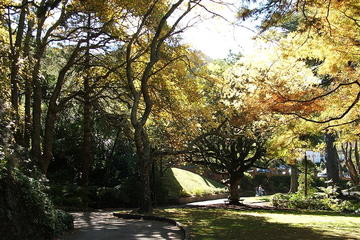
Exotic and native plants flaunt their colors at Wellington's botanic garden, a 25-hectare (61-acre) stretch of landscaped parklands. The garden was established in 1868, featuring conifers from New Zealand's forests and more than 100 species of rose in the Lady Norwood Rose Garden. After strolling along the garden's leafy avenues, or following the tactile Braille Trail, drop into the Treehouse visitor center or order a drink at the teahouse. Guided tours highlight the garden's more unusual species …
» Wellington Cable Car
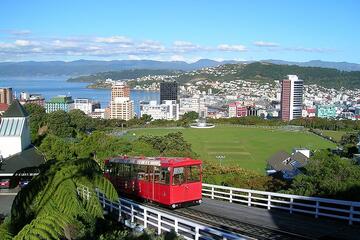
Taking a ride on Wellington's little red cable car is an essential experience. The cable car has been operating since 1902, providing panoramic views over Wellington on its 5-minute chug up the hill to Kelburn village and the botanic garden. At the top, visit the Cable Car Museum to learn more about this historic attraction, and get out your camera to snap must-have photos of those harbor views. Nearby, the Carter Observatory explains the mysteries of the southern night sky …
» Wellington's Greenbelt
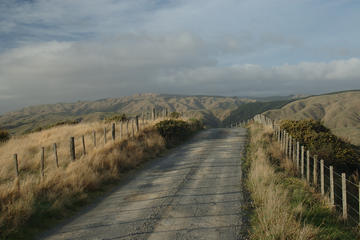
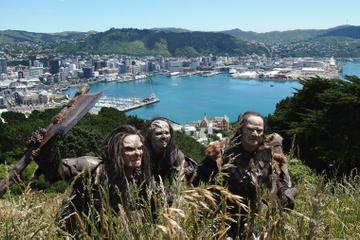
In the Fellowship of the Ring, Wellington's Greenbelt is where the hobbits nervously hide when escaping the evil Black Rider. In real life, however, Wellington's Greenbelt is an agreeable area of protected open space in the hills. Given the tracts of undeveloped land, this area just to the west of the city was also the site of the outskirts of the Shire. Today, in addition to stunning hilltop views which gaze down on the surf-battered coastline, Wellington's Greenbelt is also a favorite of Lord of the Rings tours from the city. High above the bustle of Wellington …
» Zealandia
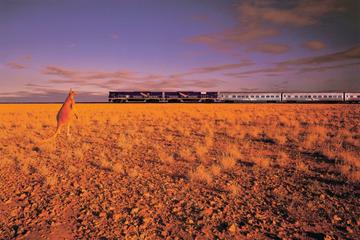
Just 10 minutes from central Wellington, the unique Zealandia wildlife sanctuary and conservation park is one of New Zealand's premier eco attractions, restoring the flora and fauna that once surrounded the city. The Karori Wildlife Sanctuary's restored forest and wetlands provide a habitat for more than 30 native bird species, as well as frogs, lizards and cute green geckos. View the exhibition tracing the development of New Zealand's natural history, take a guided walking tour through the predator-proof, 225-hectare (550-acre) sanctuary, then refuel at the park's cafe overlooking the lake …

« NEW ZEALAND • Discover New Zealand • North Island • Wellington